2G Ethanol (Second Generation Ethanol)
2G Ethanol, also known as Second Generation Ethanol, is a next-generation biofuel produced from non-food biomass such as agricultural residues, wood, and dedicated energy crops. Unlike traditional biofuels made from food crops (1G Ethanol), 2G Ethanol is derived from lignocellulosic biomass, making it a more sustainable and environmentally friendly alternative to fossil fuels.
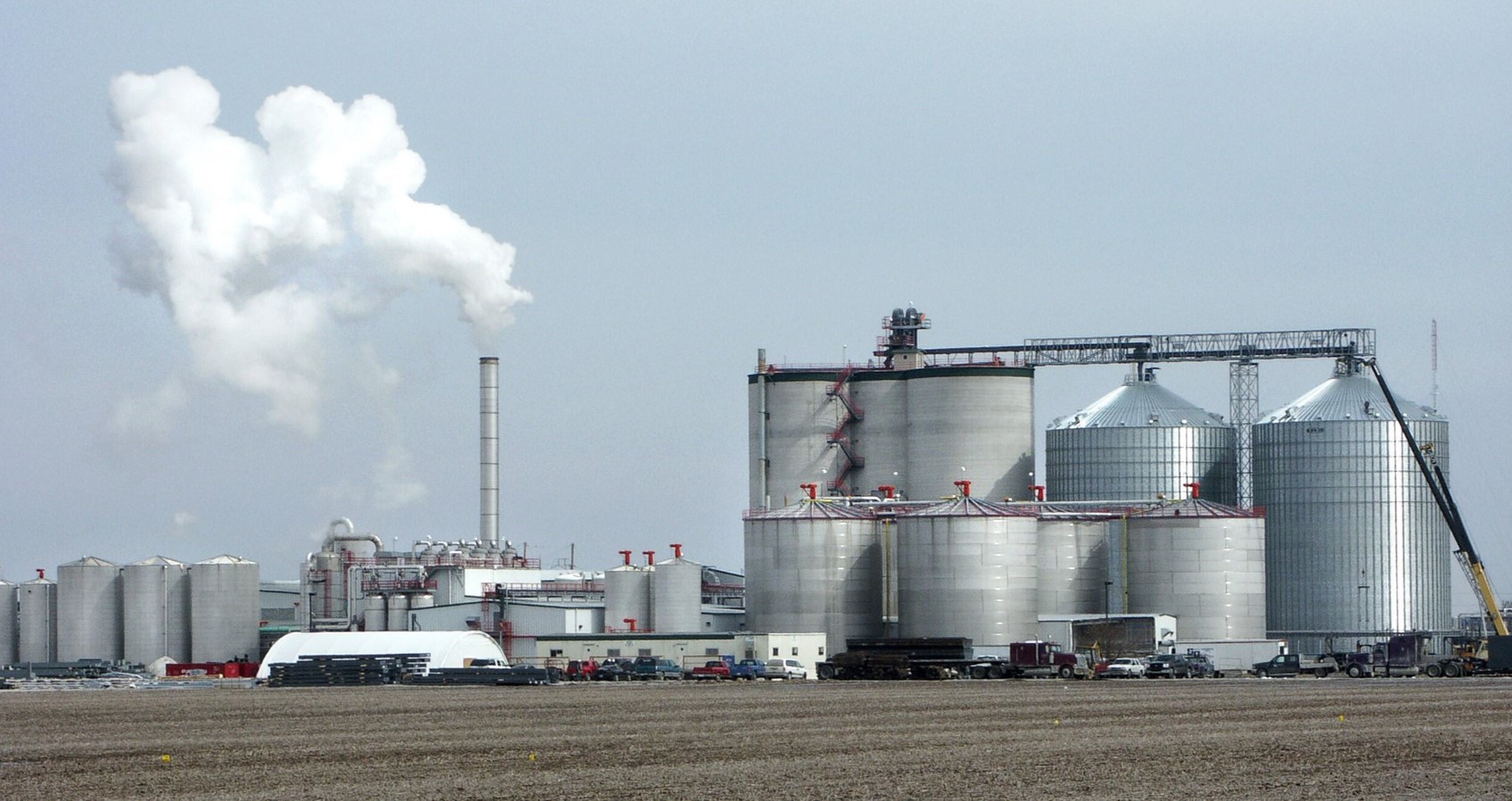
Production Process
The production of 2G Ethanol involves advanced processes such as pretreatment, enzymatic hydrolysis, and fermentation. First, the complex cellulose and hemicellulose present in plant biomass are broken down into simpler sugars. These sugars are then fermented by microorganisms to produce ethanol, which can be used as a renewable fuel source for transportation, energy generation, and industrial processes.
Benefits of 2G Ethanol
- Sustainability: Produced from non-food biomass, it does not compete with food crops, ensuring food security.
- Reduction in Greenhouse Gas Emissions: Offers significant reductions in greenhouse gas emissions compared to conventional fossil fuels.
- Waste-to-Energy: Utilizes agricultural and industrial waste materials, reducing waste while producing valuable energy.
- Energy Security: Contributes to energy independence by providing a domestic, renewable energy source.
Applications
2G Ethanol is primarily used in transportation fuels, replacing gasoline and diesel. It can also be blended with petrol to reduce carbon emissions in internal combustion engines. Additionally, it has potential applications in power generation and as a feedstock in the chemical industry.
Role in India’s Energy Transition
2G Ethanol plays a crucial role in India’s energy transition, aligning with the nation’s goals of reducing reliance on fossil fuels, increasing renewable energy adoption, and achieving net-zero emissions by 2070. It supports sustainable agricultural practices and helps reduce the carbon footprint of the transportation and energy sectors, making it an integral part of India’s future clean energy ecosystem.
Explore More About 2G Ethanol: Click here